


Ferrari 250 GT Cabriolet Series I
Harmonie
Es war ja irgendwie klar: irgendwann musste der 250 GT auch noch eröffnet werden. Cabrio, das war schon Ende der 50er Jahre so etwas wie: keine Ahnung, Cabrios verkaufen sich ja auch heute mehr so schlecht als recht. Aber man musste als Hersteller halt eines im Programm haben, für die Amerikaner und sonstige Reiche auf der ganzen Welt. Und der 250 GT mit dem langen Radstand und dem bekannten Colombo-Motor bot sich geradezu an, auch offen in Produktion zu gehen. Dies auch deshalb, weil Pininfarina endlich so weit war, die Fahrzeuge nicht nur zu entwerfen, sondern auch noch zu bauen. Was wichtig war, denn die Qualität machte nun einen entscheidenden Sprung nach oben.


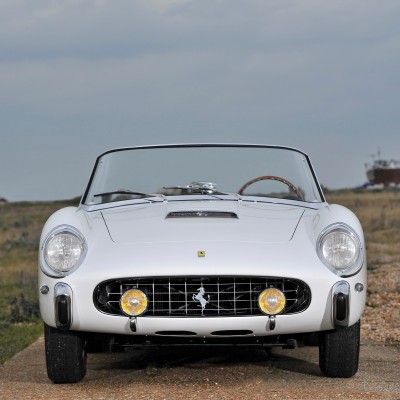
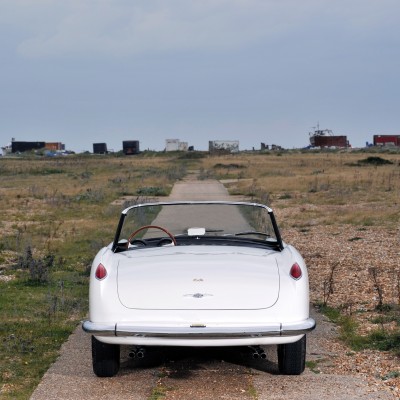

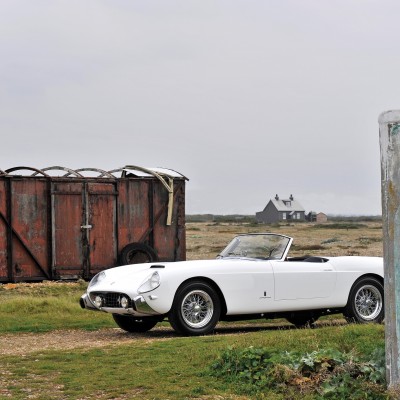
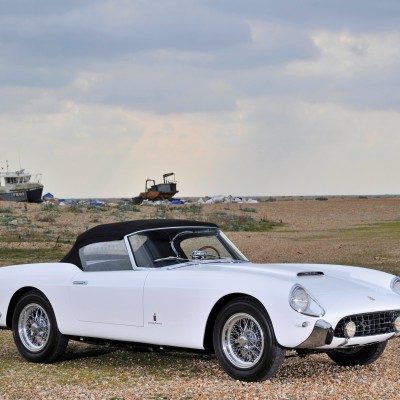


Selbstverständlich hatte es schon vorher offene Ferrari für die Strasse gegeben, ein paar Exemplare vom 212 Inter, einige sehr exklusive Stücke vom 342 America. Doch das waren halt: Einzelanfertigungen. Auf Kundenwunsch. Und deshalb: sündhaft teuer. Mit dem 250 GT eröffnete sich aber die Möglichkeit, grössere Stückzahlen zu produzieren – und trotzdem noch die (teuren und folglich für den Hersteller lukrativen) Sonderwünsche der feinen Klientel zu erfüllen.

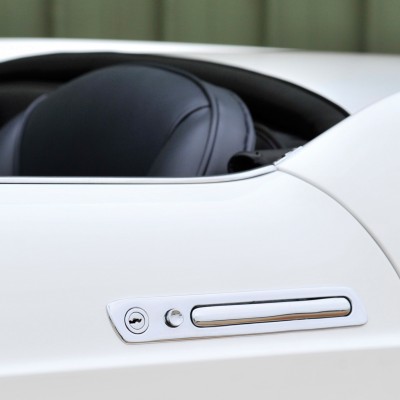

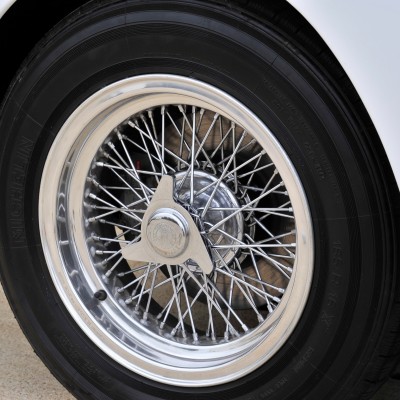


Es ist dies eine der wenigen einigermassen übersichtlichen Geschichten in Sachen Ferrari 250 GT. Genau 40 Stück wurden von der ersten Serie des Ferrari 250 GT Pininfarina Cabriolet gebaut. Es begann mit #0655GT, die Ende 1956 von Maranello zu Pininfarina geliefert wurde, im März 1957 auf dem Genfer Salon stand, dann von Peter Collins gekauft wurde (und vor der Auslieferung noch schwarz lackiert), eine Rolle spielte in «Goodbye Charlie» (1964, Regie Vincente Minelli, mit Tony Curtis, Debbie Reynolds und Walter Mattau) – und heute noch existiert, seit 1993 im Besitz der Familie Lee.




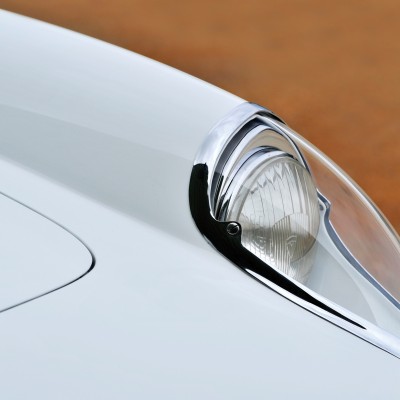
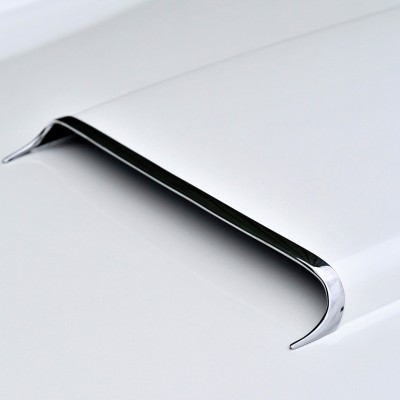
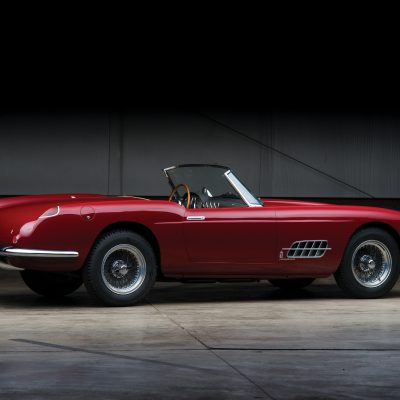
Ach ja: #0655GT war eines der ersten Fahrzeuge mit den damals ganz neu entwickelten Scheibenbremsen von Dunlop. Und sieht optisch schon etwas anders aus als die restlichen 39 Stück, amerikanischer, irgendwie. Ein schöner Wagen, fürwahr. Also sowohl #0655GT wie auch die anderen 250 GT Cabriolet der ersten Serie (bis #1475GT, gebaut im August 1960). Mit diesem typischen Hüftknick von Pininfarina, den man beim (offenen) Cabriolet besser sieht als bei den Coupé. Die Form ist wunderbar harmonisch, obwohl der Radstand doch ziemlich lang ist: LWB, also 2,6 Meter. Aber die gedeckten Lampen, die Panorama-Frontscheibe, die extrem saubere Linie machen den Zweisitzer zu einem der schönsten Ferrari überhaupt. Das Cabrio ist alles andere als aggressiv, aber vielleicht ist es das eleganteste Fahrzeug aus Maranello? Zurückhaltung ist eine Tugend, die heute leider kaum mehr gepflegt wird. Es gibt bei diesen 40 Exemplaren der Serie 1 bei vielen Exemplaren kleine Unterschiede, vor allem bei den Stossstangen, den Lüftungsschlitzen und natürlich im Innenraum, der selbstverständlich auch nach Kundenwunsch verändert wurde.


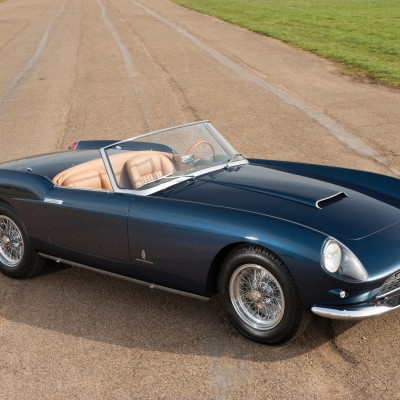

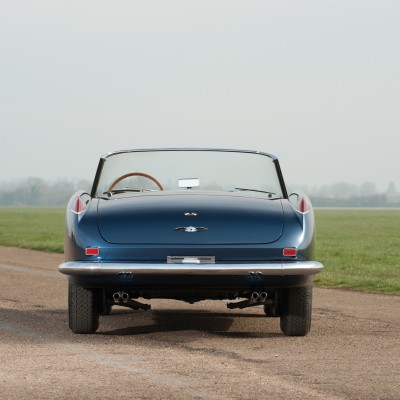


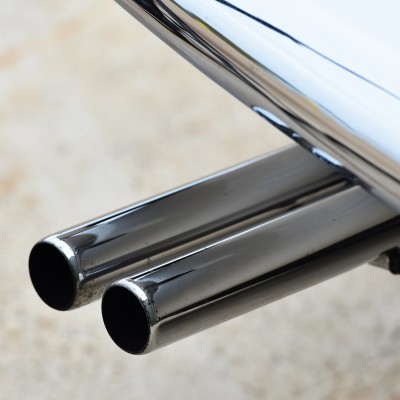
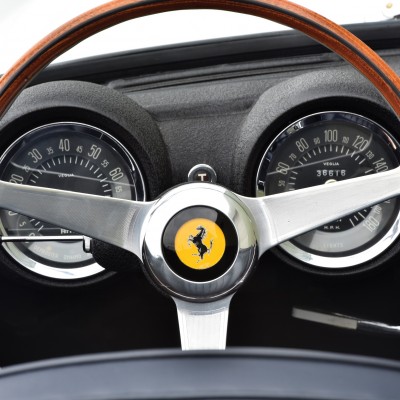
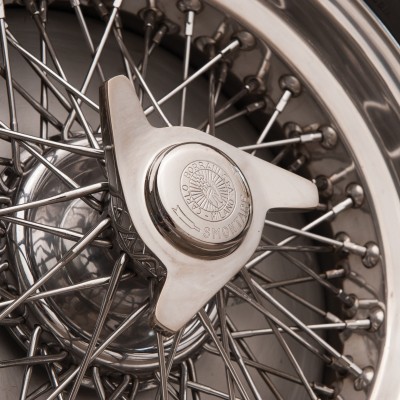
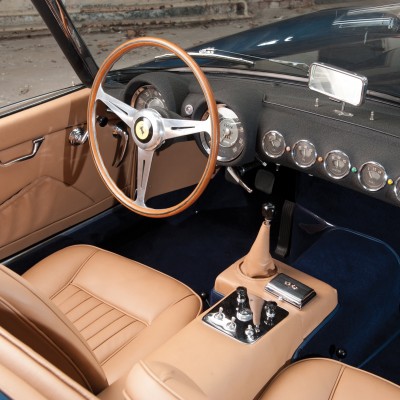
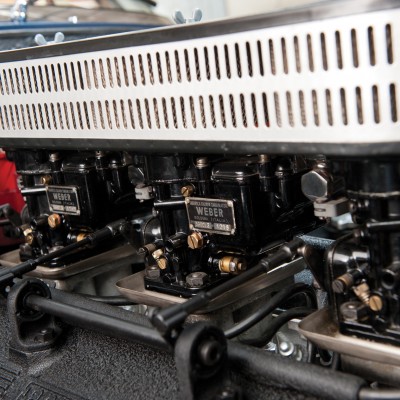
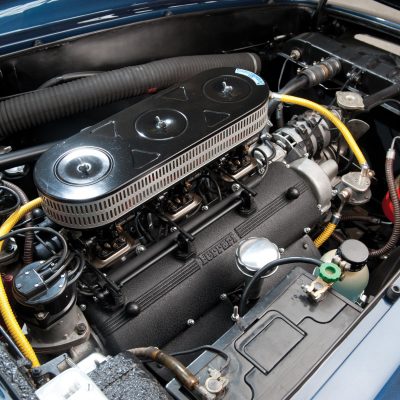
Es ist wohl müssig zu erwähnen, dass praktisch alle 250 GT Cabriolet irgendwann in den USA landeten, zumeist schon gleich mit dem Erstbesitzer. Die Preise sind exorbitant, 2022 wurden für #0759GT 6,82 Millionen Dollar bezahlt. Wir zeigen hier den blauen #1181GT, den RM Auctions 2014 für 4,704 Millionen Euro zuschlagen konnte. Wir halten uns hier einigermassen kurz, weil: es kommt ja dann noch die zweite Serie. Und der California Spyder.








Das alles braucht nun selbstverständlich auch eine Sammlung, oder?
3)
Chassis-Nummer: 0705GT
Motoren-Nummer: 0705GT
Steht derzeit (August 2018) bei RM Sotheby’s Private Sales im Angebot.

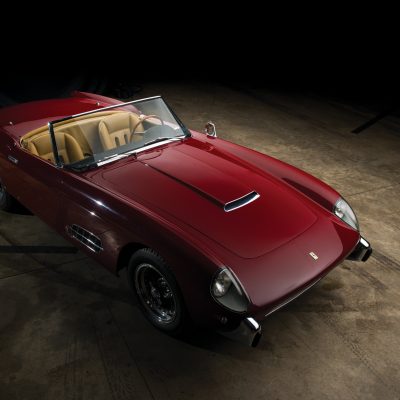

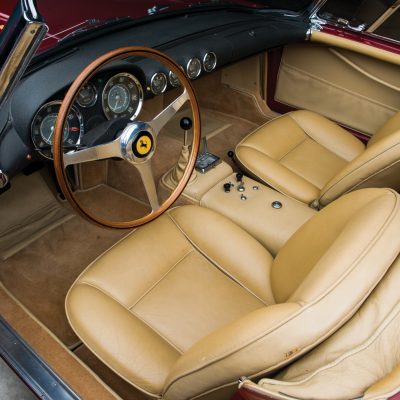
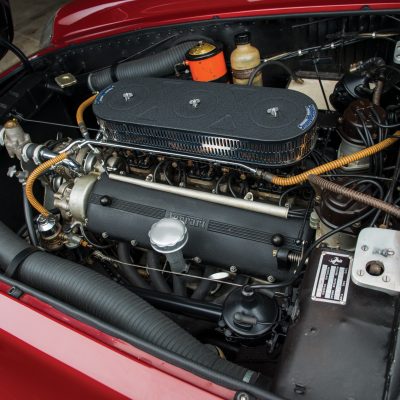
–
6)
Chassis-Nummer: 0735GT


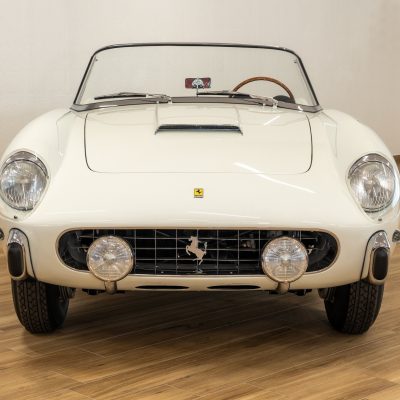
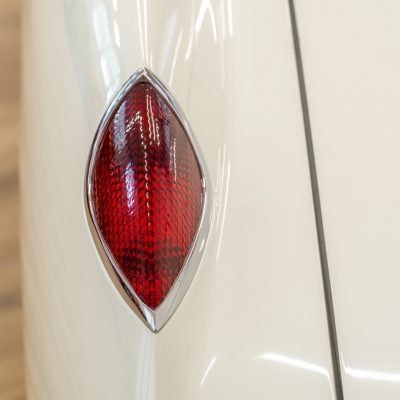
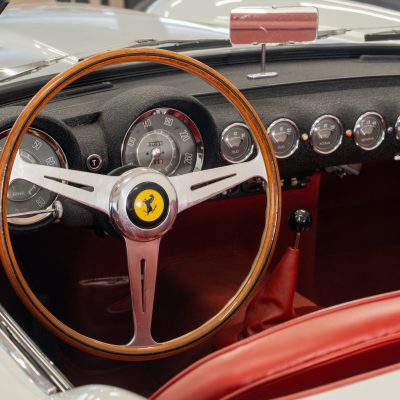
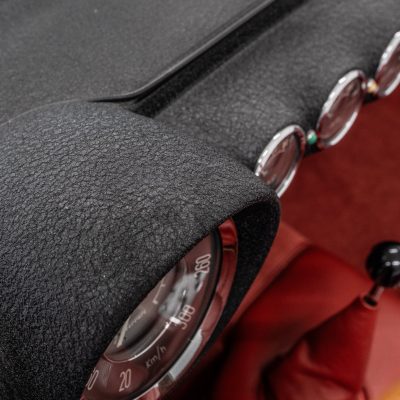
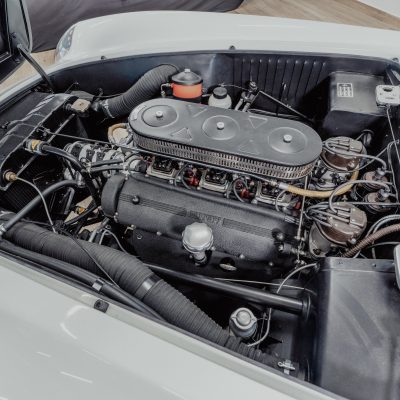
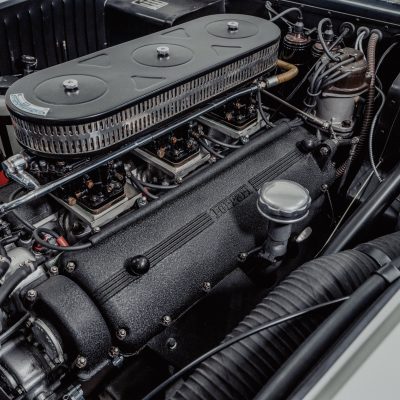
Steht zum Verkauf bei H’Cars Motorsport in Monaco (August 2025, spannend, da gibt es keine Website, zumindest haben wir keine gefunden), mit diesen Angaben: «The 1957 Frankfurt Show Car – Known as the «Von Trips Series 1» – 1 of only 40 cars built – the only car in this color combination – Matching Number – Full ownership known, has original 1957 German Title.» Was wir auch noch wissen: Erste Besitzerin: Angela Münemann, München, erhielt irgendwann den Motor von 1213GT, wurde auf RHD umgebaut, wurde wieder auf LHD umgebaut, war auch schon grau lackiert. (Und da ist auch noch ein Fragezeichen zum Motor, der wurde in den 80er Jahren mal gesondert verkauft – ist er wieder zurück?)
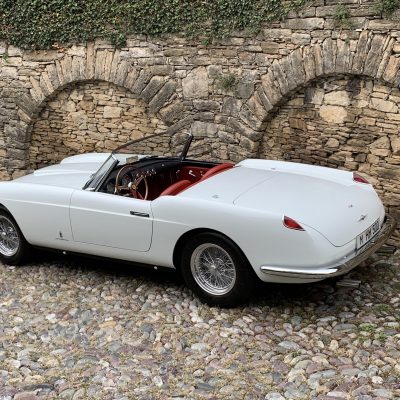





–
10)
Chassis-Nummer: 0759GT
Motoren-Nummer: 0759GT

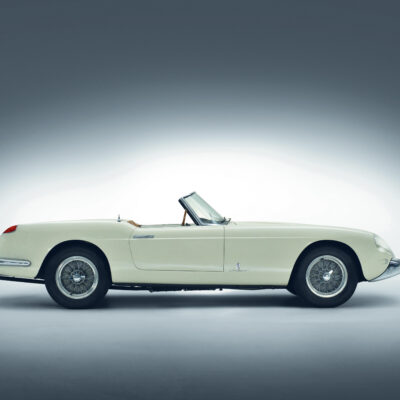


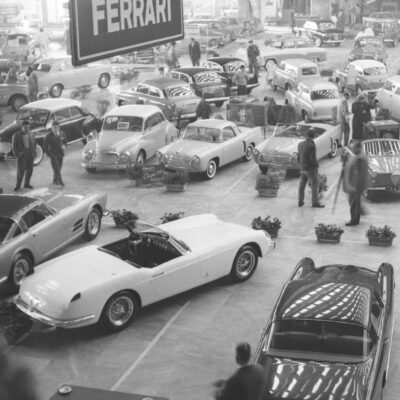
Auktion: Bonhams, Quail 2014, verkauft für 6’820’000 Dollar, angeboten mit folgendem Text: «This particularly magnificent Ferrari 250 GT Cabriolet S1 Pinin Farina is chassis serial ‚0759 GT‘. It is a very early example, being only the eighth of some 40 units built overall. Its chassis frame was delivered to the Pinin Farina plant on September 9, 1957, and upon its completion with this strikingly handsome body it was promptly (and so justifiably) exhibited at the 39th Salone dell’Automobile in Turin’s Valentino Park exhibition hall, from October 30-November 10 that year. In January, 1958, this Cabriolet was then shipped to the Venezuelan Ferrari importer, Carlo Kauffman, in the central-American state’s capital city of Caracas. It was registered there on Venezuelan plates ‚NC 6159‘. The car was pictured in the factory’s official 1959 Ferrari Yearbook, whose compilers every year made much of the burgeoning marque’s global appeal. Study the car’s gorgeously preserved tan leather and honeyed carpeting today and one can imagine just how cool and stylish it must have seemed to Carlos Kauffman and his eager clienti as they sampled ‚0759 GT‘ here on the broad sun-soaked boulevards of Venezuela’s then booming, already oil-rich, capital city…
Caracas itself had grown in economic importance during Venezuela’s oil boom of the early 20th Century. By the 1950s, the sprawling city had blossomed through an intensive modernization programme that continued throughout the 1960s and into the 1970s. The dramatic change in the economic structure of the country, which went from being primarily agricultural to becoming focused upon oil production, had stimulated rapid development and Carlos Kauffman found ready interest amongst his friends and neighbours within the upper-tier of Caraquenian (Caracas) society. Included within the file accompanying this outstanding Cabriolet, are a lavishly-decorated Venezuelan registration certificate, and also a copy of a sales agreement later struck for the car between Luiz Perez Dupuy and his wife Carmen Pietri de Perez Dupuy on the one hand, and Gustavo A. Gutierrez on the other. The document cites the car’s colour at that time as having been ‚verde‘ – green – and the sale price as 80,000 Venezuelan Bolivares. Senor Gustavo Guttierez retained the car in Venezuela until 1986, when it was offered for sale, by that time being described as painted red. Ultimately, in 1991 – 23 long years ago – it was acquired by the great Italian enthusiast Fabrizio Violati and inducted into his Collezione Maranello Rosso displays in the tiny, and-locked, Italian-encircled Republic of San Marino. There the car graced Fabrizio Violati’s exhibition halls, restored in the white paint finish it still retains and fully equipped with a well-made but probably not contemporary white-painted hardtop, which actually exhibits most attractive louvre detailing. We understand that the car was started-up and run from time to time, and it is pictured in colour on pages 54 and 55 of the Collezione Maranello Rosso book ‚Ferrari 250 – Le Ferrari a San Marino‘ written and compiled by the acknowledged 250 GT-series authority, French expert Jess G. Pourret. Today this magnificently imposing Cabriolet is offered with a lovely patina of well-preserved age, its exterior Bianco paintwork providing a striking counterpoint to its luscious, believed original, thick, supple and just exquisite Pelle Naturale Conolly leather upholstery».
–
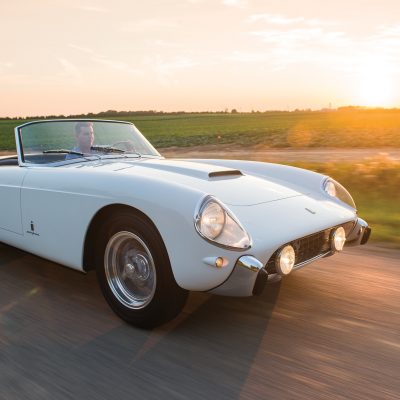
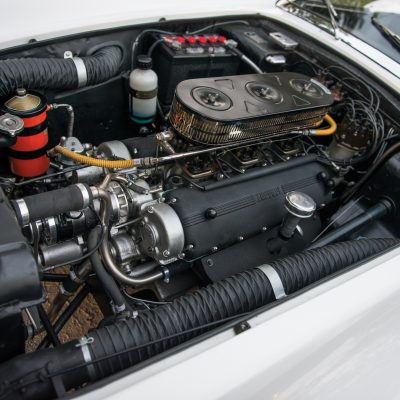
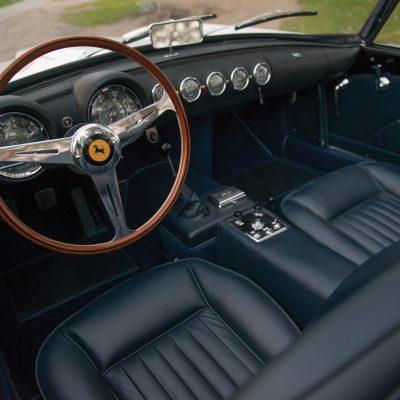
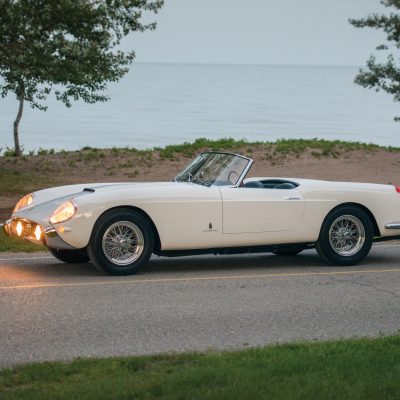
14)
Chassis-Nummer: 0791GT
Motoren-Nummer: ?
Getriebe-Nummer: 44C
Produktionsdatum: März 1958
Original-Farbe: Bianco (MM 10019)
Interieur: Blu (VM 3315)
Erster Besitzer: John R. Fulp (Greenville, South Carolina)
Auktionen: RM Sotheby’s, New York 2015, verkauft für 5’720’000 Dollar; RM Sotheby’s, Maranello 2017, verkauft für 4’719’000 Euro.


–
17)
Chassis-Nummer: 0801GT
Motoren-Nummer: 0801 (selbstverständlich)


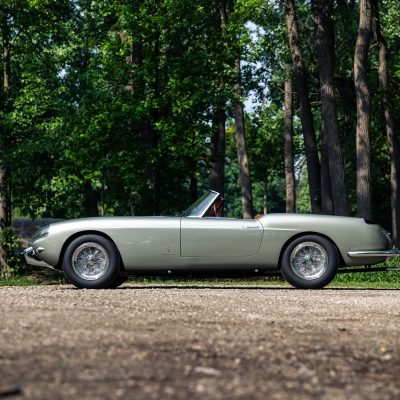


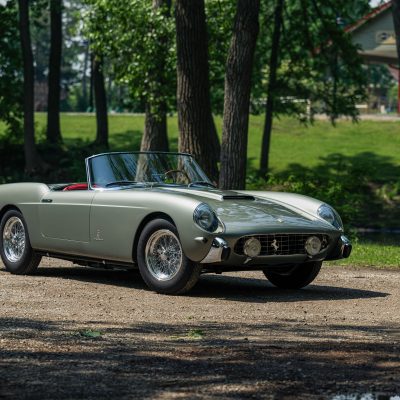


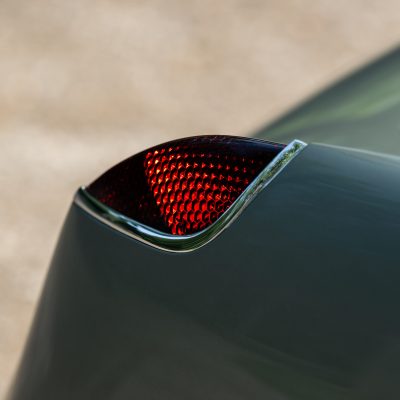


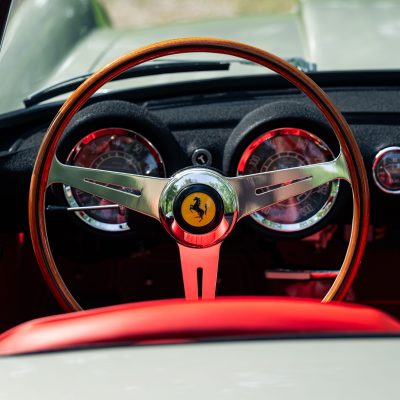


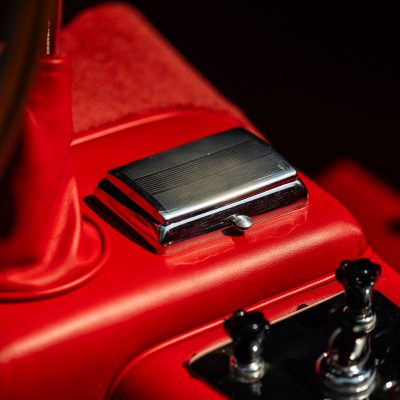


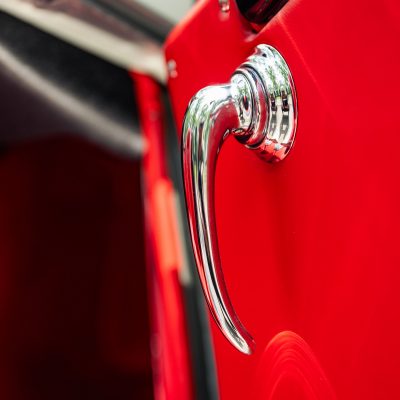


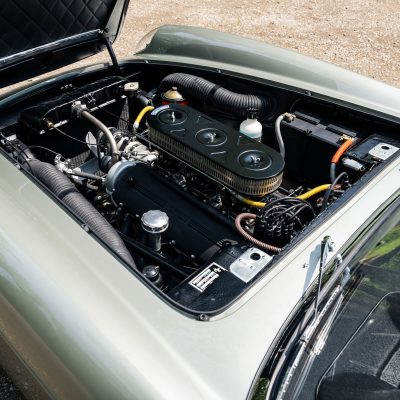

Auktion: RM Sotheby’s, Monterey 2025, Schätzpreis 5,75 bis 6,5 Millionen Dollar, mit diesen Informationen: «According to the research of marque expert Marcel Massini, chassis number 0801 GT is the 17th first-series Cabriolet built. Attractively configured with covered headlamps and front bumperettes, the 250 GT was immediately slated for presentation by the factory at the Geneva Salon, making it one of the marque’s important show cars. For this momentous occasion, the choice was made to finish the Cabriolet in a highly refined color combination, Grigio Metallizzato (MM 16201) paint over an interior trimmed in Rosso leather. A month after being presented on the Ferrari stand at the 1958 Geneva Salon, the Ferrari was sold to its first owner, a professional opera singer based in Milan named Giuseppe Di Stefano. A multi-decade fixture in Italy’s opera niche, Di Stefano was a celebrated tenor who recorded numerous albums with the legendary Maria Callas, and he was a major influence on Luciano Pavarotti. Almost 18 months later Di Stefano sold the 250 GT to Count Alberto Paolo Zintovalle, who kept the car for three years before reselling it to Plaisance Bernard. Bernard soon moved from Milan to Modena, and he went on to retain possession until May 1971, when the Cabriolet was sold to Gastone Crepaldi Automobili, the well-known Ferrari dealer in Milan. The Ferrari remained with Crepaldi for three years before it was purchased by Luigi Chinetti Motors, which ordered extensive cosmetic modifications (including changes to the tail lamps and dashboard configuration, and a repaint in blue). At this time the original engine was removed and installed in a 250 GT Ellena.
After being imported to the US by Chinetti, the Ferrari was soon delivered to its buyer, the well-known collector Philip Wichard, of Huntington Bay, New York. By 1975 Mr. Wichard sold the 250 GT to a dealer, and it proceeded through a short chain of owners over the next two decades, eventually being cosmetically refinished in 1987 in Rosso over cream. In May 2000, 0801 GT was acquired by the consignor, a Ferrari collector living in New Mexico who had long wanted to drive a flagship 1950s sports car on a vintage tour. Following participation in the 2002 Colorado Grand, the owner undertook some restoration of the mechanical elements, and the car then made a fantastic showing at the 50th Anniversary Meeting of the Ferrari 250 GT Series I Cabriolets staged at the 2007 Quail Motorsports Gathering. Four years later the Cabriolet was the subject of a full-color feature in the November 2011 issue of Forza magazine. Even while enjoying this recognition for 0801 GT as well as its spirited performance on the road, inspiration took hold of the owner over time to return the Cabriolet to its original specifications and recapture the grandeur it once displayed as a factory show car. To this end, in 2024 he submitted 0801 GT to Motion Products Inc (MPI) in Neenah, Wisconsin, one of the most trusted names in Ferrari restoration. In addition to performing a complete chassis renovation, the coachwork and interior details were returned to their original factory configuration. After studying a period album photograph, the experts at MPI recognized the depth of color in the original shade of Grigio Metallizato (MM 16201) and refinished the coachwork in a similar shade of Grigio Conchiglia Metallizzato, which features undertones of blue and green that spring to life in certain lighting conditions. After re-trimming the interior in Rosso leather as original, the result masterfully recreated the Cabriolet’s majestic appearance at the 1958 Geneva Salon. Most significantly, the owner re-acquired at considerable expense the matching-numbers engine, number 0801 GT, sourced from UK-based Ferrari specialists DK Engineering. The inside-plug type 128C engine was fully rebuilt and reinstalled in its rightful place adding to the car’s highly desirable state of authenticity. (This engine block had been previously inspected and restamped by Ferrari Classiche in the mid/late 2000s, in an endorsement of its originality.) As reflected by invoices on file, the total investment for the engine purchase and MPI’s comprehensive restoration work exceeded $2 million». (Es gibt andere Quellen, die sehen als originale Farbe Grigio Glace (MM16201). Die Geschichte mit dem Motor könnte stimmen, er war lange in 0817GT.)
–
18)
Chassis-Nummer: 0809 GT
Motoren-Nummer: klar


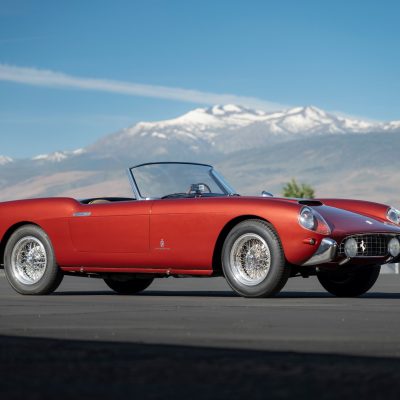

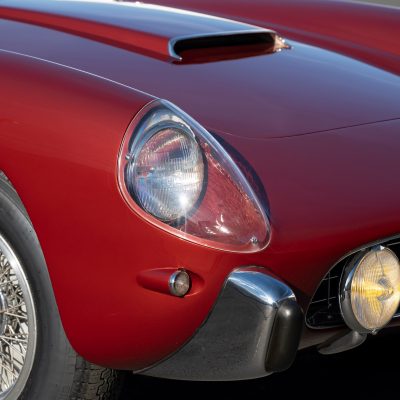

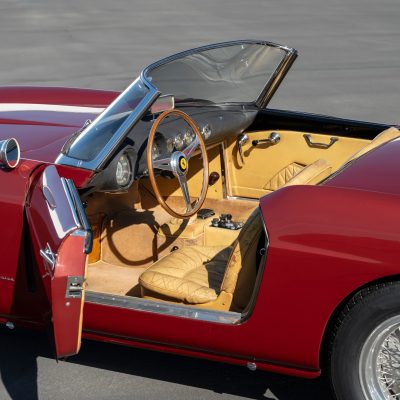


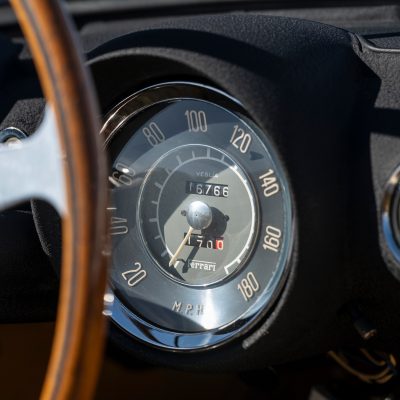


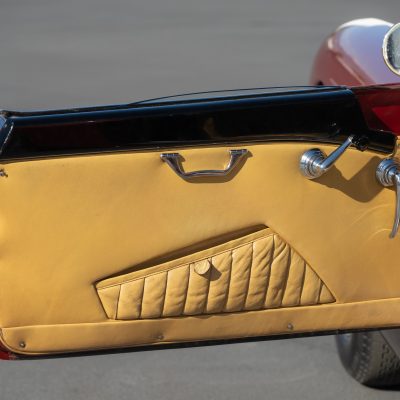

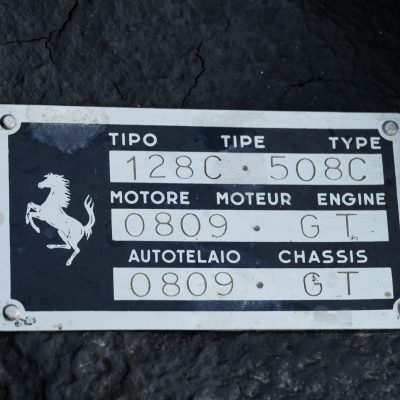


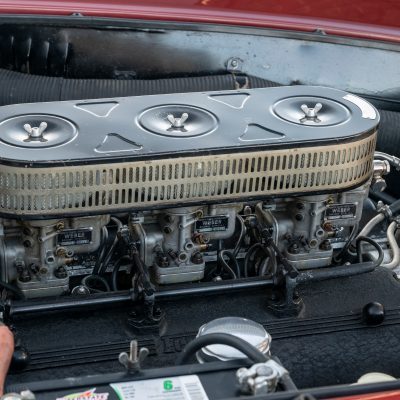
Auktion: RM Sotheby’s, Monterey 2026, Schätzpreis 4 bis 5 Millionen Dollar, mit diesen Angaben: «Completed by Ferrari in early 1958, the car was equipped with the sought-after features of competition-style covered headlights and “bumperettes,” as well as without front fender vents and with smaller taillights—a configuration very similar to the final prototype version of the design, chassis number 0709 GT. Finished in Rosso Metallizzatto over Naturale leather interior, it was allocated to the American market and accordingly delivered to Ferrari’s New York City-based distributor, Luigi Chinetti Motors. Chinetti exhibited the car at the New York International Automobile Show at the Coliseum in April 1958; photographs of it on the stand show it exactly as it is presented today, colors, trim, and all. Shortly after the New York show, the Cabriolet Series I was delivered via Chinetti to its original owner, Dr. Paul M. Riffert of Ephrata, Pennsylvania. A talented surgeon, Dr. Riffert had moved to Ephrata in October 1940 to serve as the medical director for the Ephrata Community Hospital. Day or night, he was on call to perform all surgeries necessary at the hospital, where he remained for many years, becoming renowned for his skills as well as for his compassion and kindness. At one time, he was voted one of Ephrata’s most important citizens by the local newspaper, and by the time of his passing at the ripe old age of 94 was certainly among its most respected. More to the point of our story, he was a passionate tifoso. It is thought that chassis number 0809 GT was the good doctor’s first Ferrari, but it would not be the last; it was soon joined by a 410 Superamerica Series III, and he would go on to acquire new examples of the 275 GTB and 365 GTC/4. One imagines how the residents of a small town in Pennsylvania Dutch country, more accustomed to seeing horse-drawn buggies, reacted to the sight of such automobiles on their rural roads. Dr. Riffert traded chassis number 0809 GT back to Chinetti on the 275 GTB in 1965, and it was soon resold to Norman Silver of High Point, North Carolina. A leading figure in High Point’s booming furniture industry, whose Silver Craft was known for its mid-century modern designs, Mr. Silver was one of the most important early America Ferrari collectors, whose “Modena South” stable included a 250 LM, 275 GTS/4 N.A.R.T. Spider, and 250 GT Berlinetta Tour de France, amongst others. He kept the Cabriolet Series I in that utterly illustrious company for the next 18 years.
In 1983 the car was sold by Mr. Silver to John W. Mecom Jr., the second-generation Texas oilman and sportsman. Mecom Racing competed from 1960 to 1967 in the World Sportscar Championship, Formula 1, and American Championship Car racing; a Ferrari 250 GTO owned and campaigned by Mecom won the Tourist Trophy in Nassau in 1962, driven by Roger Penske, followed shortly thereafter by a class win in the 1963 12 Hours of Sebring, with Penske and Augie Pabst behind the wheel. The oil magnate’s team also saw success in open-wheel racing, with his entry, driven by Graham Hill, winning the 1966 Indianapolis 500. Off the track, Mecom was at one time the youngest owner of an NFL franchise; as the original owner of the New Orleans Saints, he championed the team’s now-iconic black and gold colors, and would oversee their operations for nearly 20 years. During the 1970s and 1980s, he was a prolific buyer of vintage Ferraris, owning numerous significant examples. That said, Mecom did not retain ownership of chassis number 0809 GT for long, and after brief ownership by dealer Don Meyer of Short Hills, New Jersey, the Ferrari was acquired in 1985 by the present owners, in whose world-class collection it has now remained for over four decades. Save for a repaint decades ago in its original color, it presents in overwhelmingly original condition, including its original numbers-matching chassis, engine, gearbox, and rear axle, and was recognized by its class award in Postwar Preservation at the 2023 Pebble Beach Concours d’Elegance—one of only two times it has been shown in the present ownership, the other occasion having been The Quail, A Motorsports Gathering in 2007.»
–
23)
Chassis-Nummer: 0849GT
Motoren-Nummer: 0849GT (da gibt es bei diesem Fahrzeug reichlich Fragezeichen)
Getriebe-Nummer: ?
Produktionsdatum: 05.05.1958
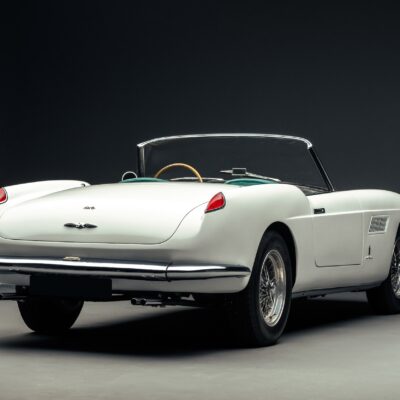
Original-Farbe: Elfenbein (MM 10019)
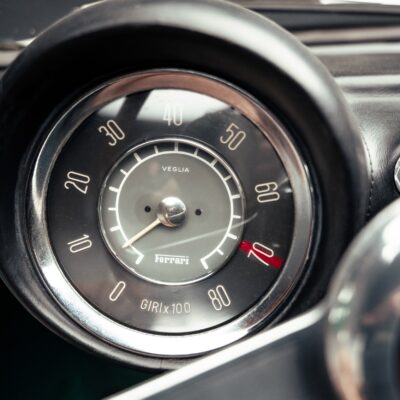
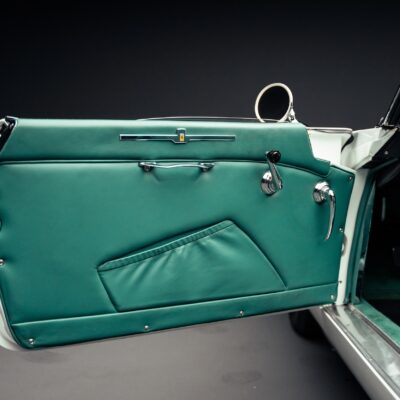
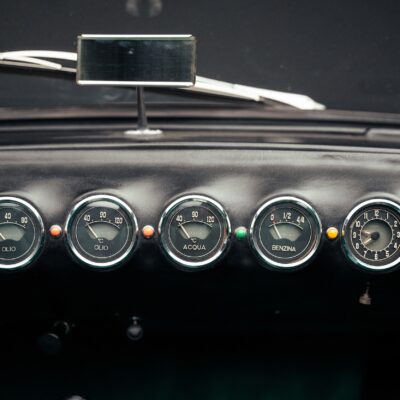
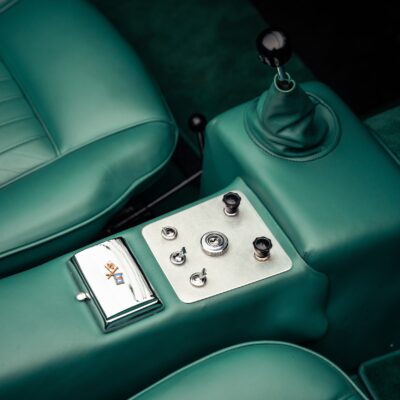
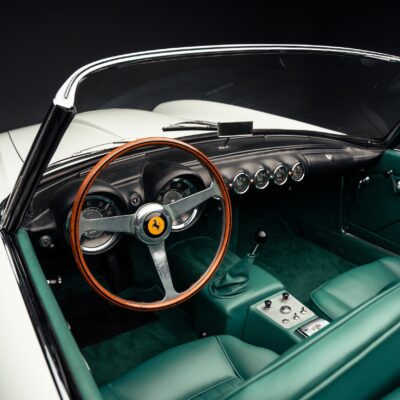
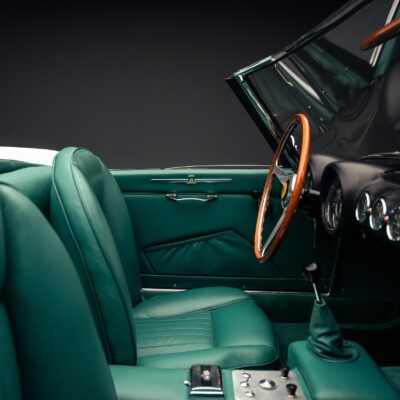
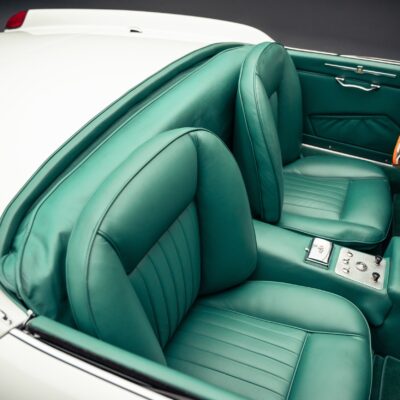
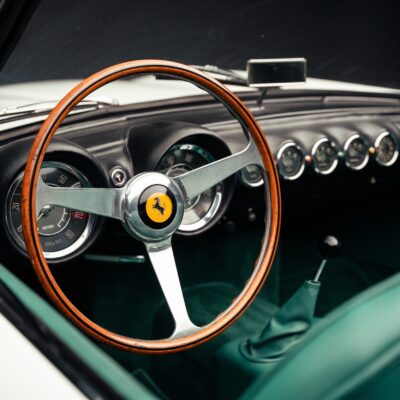
Interieur: türkis (VM 3478)
Erster Besitzer: Enzo Paolo Tacchini, Mailand
Auktionen: RM Sotheby’s, The Guikas Collection 2021, Schätzpreis 5’500’000 bis 7’000’000 Euro, verkauft für 4’420’625 Euro (Guikas hatte 2007 1,7 Mio Euro bezahlt)


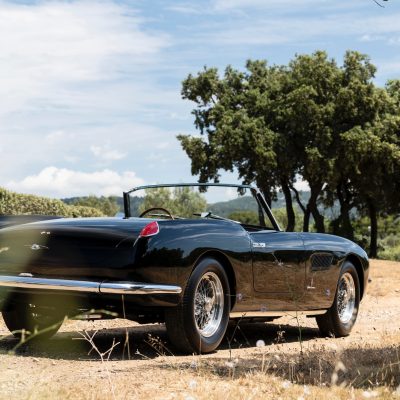
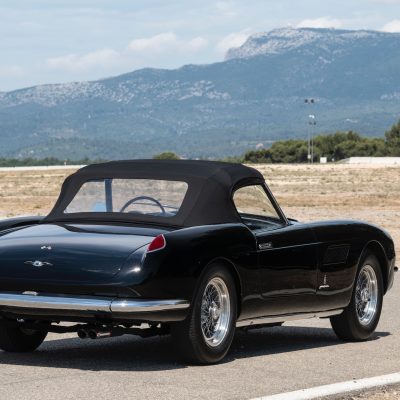


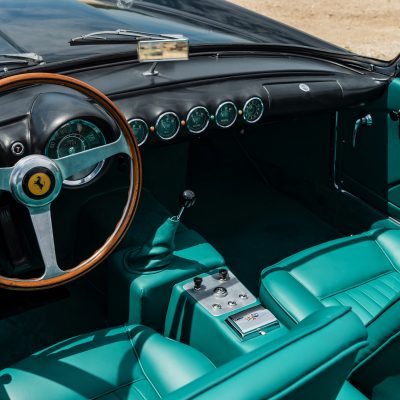
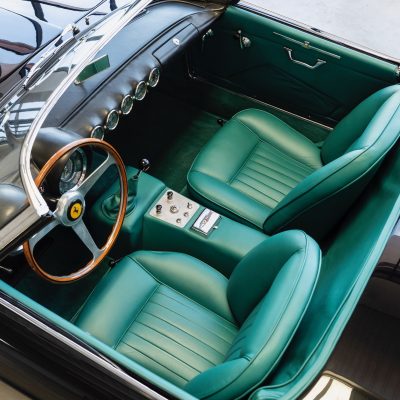

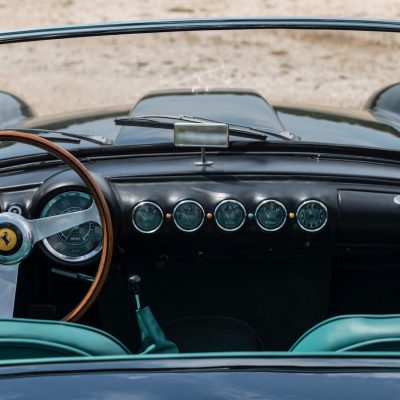

Unterdessen (April 2024) hat er wieder die richtige Farbe – und kommt bei RM Sotheby’s, Monaco 2024, zur Versteigerung, Schätzpreis 4’500’000 bis 5’000’000 Euro.



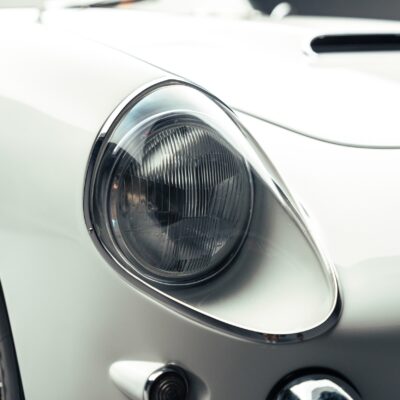


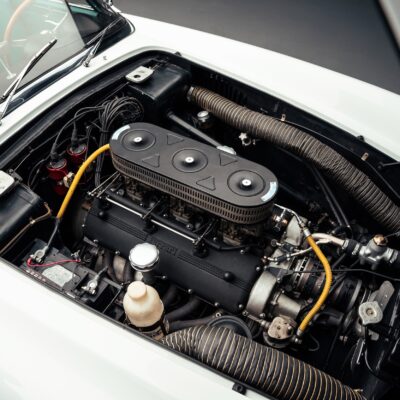


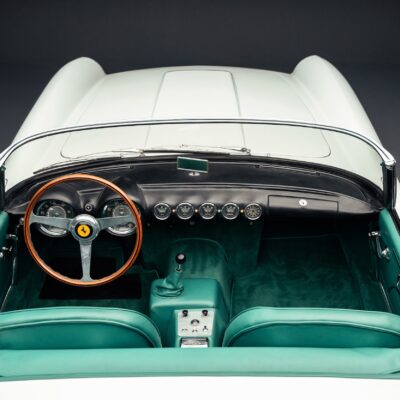

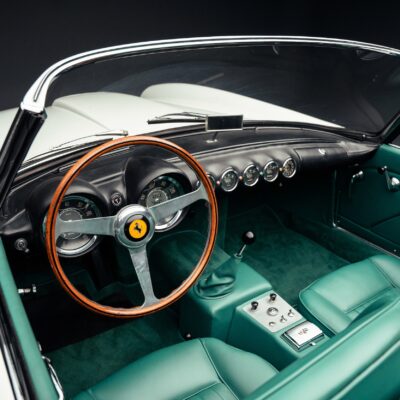



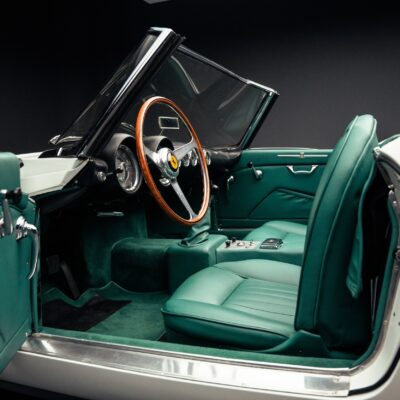


–
25)
Chassis-Nummer: 0913GT
Motoren-Nummer: 0913 (oder so…)
Getriebe-Nummer: 84C


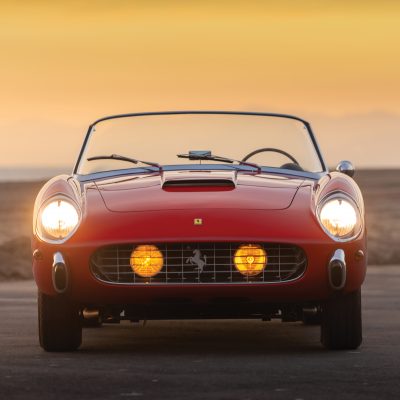


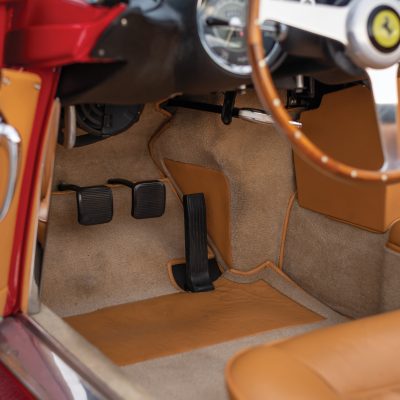

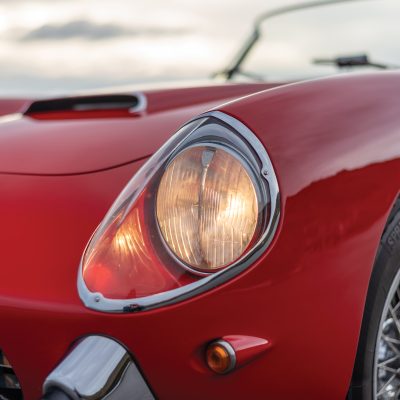
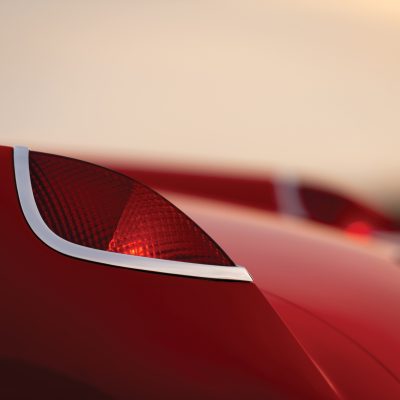

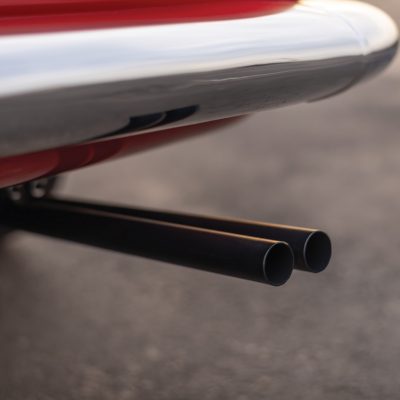

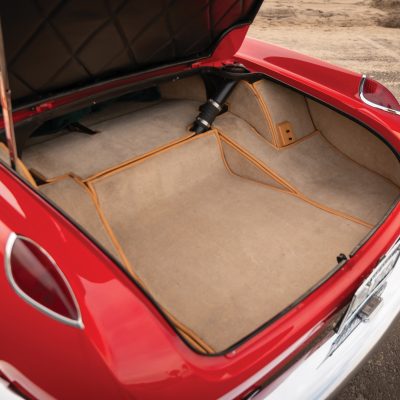


Auktion: RM Sotheby’s, Arizona 2020, Schätzpreis 6 bis 7 Millionen Dollar, nicht verkauft. Mit diesen Angaben: (siehe unten, Kommentare)
–
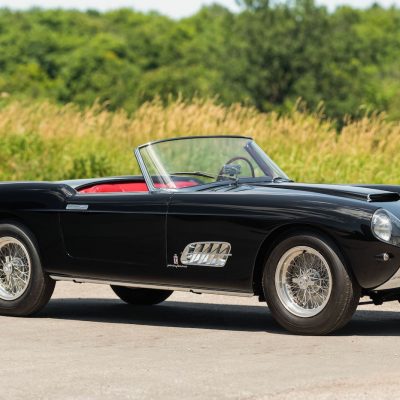
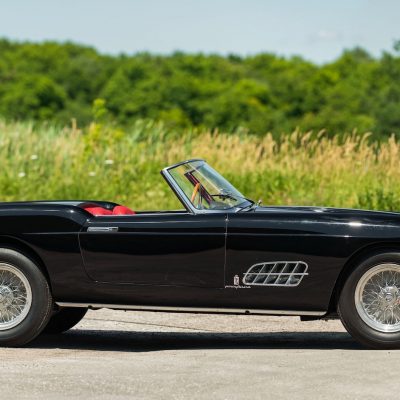
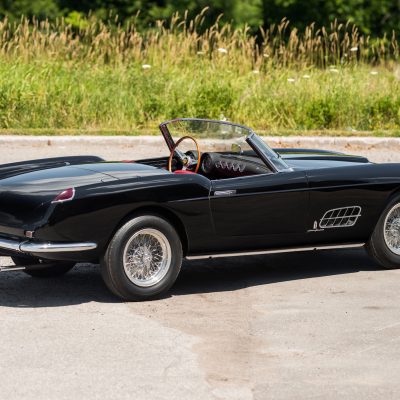
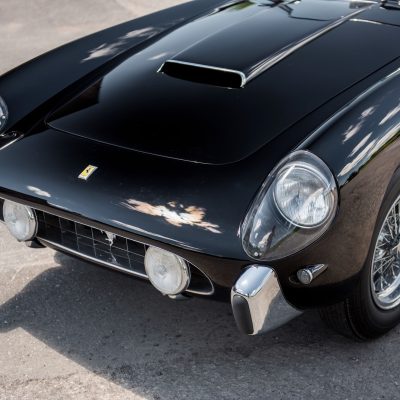
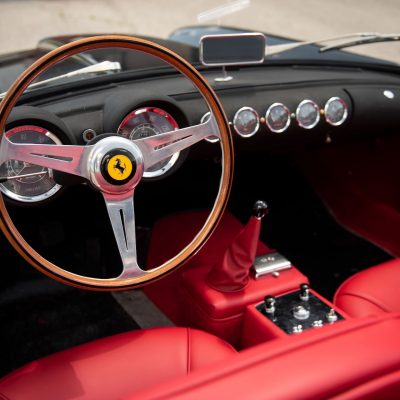
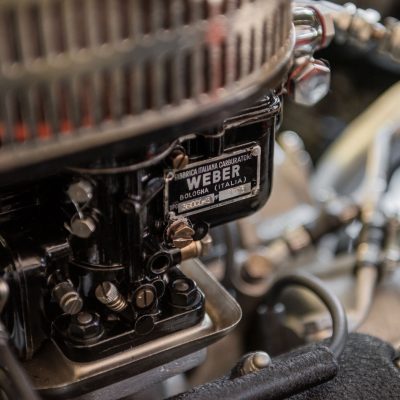
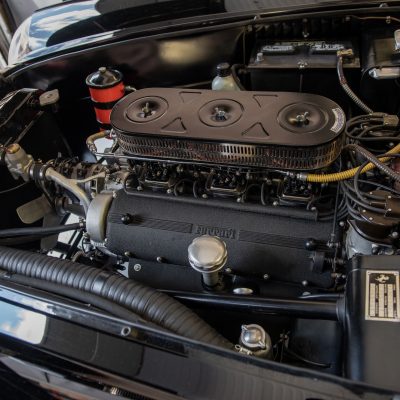
30)
Chassis-Nummer: 0963GT
Motoren-Nummer: 0963GT
Getriebe-Nummer: 81DR
Produktionsdatum: August 1958
Original-Farbe: Nero Tropicale IVI
Interieur: Rosso (VM 3171, Connolly)
Erster Besitzer: Graf Giovanni Volpi di Misurata
Auktionen: RM Sotheby’s, Monterey 2022, verkauft für 6’825’000 Dollar.








–
36)
Chassis-Nummer: 1181GT
Motoren-Nummer: 1181GT
Getriebe-Nummer: ?
Produktionsdatum: März 1959
Original-Farbe: Rosso Corsa
Interieur: Bianco
Erster Besitzer: Willy McKelvy (USA)
Auktionen: RM Sotheby’s, Monaco 2014, verkauft für 4’704’000 Dollar.



–
Und mehr Ferrari haben wir ja im Archiv.
Der Beitrag Ferrari 250 GT Cabriolet Series I erschien zuerst auf radicalmag.